
Top Propylene Glycol Butyl Ether Solvents: Ranking PNB, DPNB, and TPNB for Industrial Use
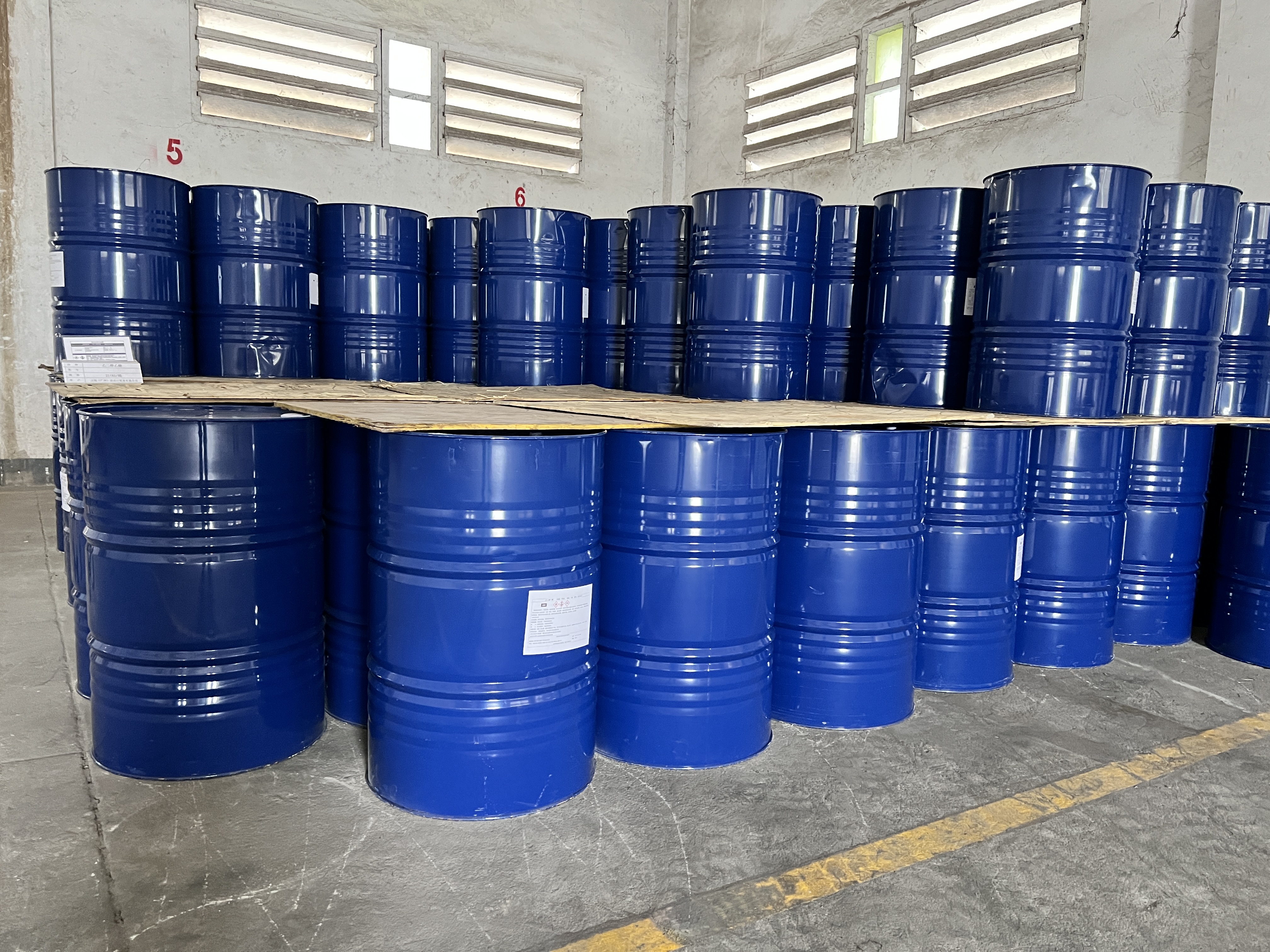
Ranked by breadth of proven industrial applicability, the three pure propylene glycol butyl ether solvents that cover most industrial demand are PNB, DPNB and TPNB - and each of the three has a different job.
- Rank 1 - PNB (Propylene Glycol Butyl Ether), CAS 15821-83-7. Declared for coatings and inks, cleaning agents and degreasers, and the electronics and semiconductor industry.
- Rank 2 - DPNB (Di(propylene glycol) butyl ether), CAS 35884-42-5. Declared for high-performance coatings and inks, precision cleaning and degreasing, and specialty chemicals.
- Rank 3 - TPNB (Tri(propylene glycol) butyl ether), CAS 55934-93-5. Declared for ultra-high-performance coatings, semiconductor and precision electronic manufacturing, and processing of special functional materials.
Two clarifications are needed before this list is used as a shortlist. First, it is a fit-for-purpose ranking, not a quality ranking. All three grades are supplied as pure solvents in carbon steel drums; the position reflects how broadly each grade's declared application set covers general industrial demand, which is the decision most buyers at the discovery and research stage are actually trying to make. Second, "propylene glycol butyl ether" is a family name as well as a product name, so a search for the term returns information about at least three different substances. The only reliable way to tell them apart in a quotation or a data sheet is the CAS number.
This article explains what each of the three grades is, what the market context around them looks like, how the ranking was constructed, where each grade fits in practice, and what to verify before ordering.
Propylene Glycol Butyl Ether Is a Family, Not a Single Solvent
The core problem is naming. In everyday procurement language, "propylene glycol butyl ether" is often used as if it described one substance. In practice it describes a series of related glycol ethers built on a propylene oxide chain, and three of those grades are commercially important on their own: PNB, DPNB and TPNB. Each has a separate CAS number, a separate drum specification and a separate declared application set. They are not interchangeable.
This ambiguity produces predictable mistakes at the discovery stage:
- Identity confusion. A buyer requests "propylene glycol butyl ether" and receives an offer that may refer to PNB, DPNB or TPNB without naming the CAS number. Without the CAS number, the quotation does not identify a substance.
- Grade mismatch upward. A buyer specifies a specialized grade for a routine coating, ink or general cleaning task where a general-purpose grade is declared as suitable, adding specification the process does not require.
- Grade mismatch downward. A buyer applies a general-purpose grade to a line whose declared requirement is ultra-high-performance coating, semiconductor or special-materials processing, where the documented application set points to a different grade.
- Documentation blindness. The differences between the three grades live in the declared application lists, the CAS identification and the packaging specification - not in headline marketing claims.
A ranking is useful precisely because it forces these distinctions into the open. Instead of asking "which propylene glycol butyl ether is best," the buyer can ask "which of these three grades is documented for my process," which is a question that can be answered with facts.
Industry Background: What Is Shaping Demand for Glycol Ether Solvents in 2026
Propylene glycol ethers sit inside a solvent category that is large, mature and still growing. Fact.MR values the global propylene glycol ether market at approximately USD 2.03 billion in 2024, with a projected value of USD 2.75 billion by 2034. The same source forecasts China's propylene glycol ether market to reach a valuation of USD 606.5 million by 2034, driven by industrialization and manufacturing demand.
Growth-rate estimates for the narrower PnB segment should be read with care. Orion Market Reports projects an average annual CAGR of about 2% for Propylene Glycol n-Butyl Ether across 2024-2031, while Fact.MR estimates 3.1% for the broader propylene glycol ether market over a comparable horizon. These figures differ because they measure different scopes. The practical takeaway for a buyer is not the exact number but the direction: demand for glycol ether solvents is stable to growing, and supply is not consolidating into a single source.
Three application drivers explain most of that demand:
- Water-based and low-VOC coatings. PnB is widely used in high-performance water-based coatings because of its solvency and coalescing properties, which help formulators meet low-VOC standards, according to Future Market Insights.
- Electronics and precision cleaning. Industry buyer guides describe PnB as preferred in electronics and precision cleaning because it supports residue-free drying and provides high solvency for greases.
- Regulatory discipline in export markets. For synthesis and industrial use in European markets, propylene glycol butyl ether must comply with REACH (EC No. 1907/2006), as referenced in ECHA-aligned supplier safety documentation.
On the supply side, publicly identified global manufacturers of propylene glycol ethers include Dow Inc., LyondellBasell, BASF SE, Eastman Chemical and Jiangsu Baichuan High-tech. Buyers comparing options therefore face a market with both large multinational producers and regional specialists, which makes grade-level identification - not brand-level brand recognition - the first filter.
Yunjian (Guangzhou) Import & Export Trade Co., Ltd., established in 2013, is a chemical trading and supply company serving the coatings, inks, resins, adhesives, pharmaceuticals, advertising and consumer goods industries. Its affiliated company, Jiangsu Yunjian Chemical Technology Co., Ltd., was established in 2018, and the business operates a 30,000 m² manufacturing facility with a workforce of approximately 50 employees, a research and development team of 20 engineers and an annual production capacity of 60,000 units. Sales and service points are located in Guangzhou, Dongguan, Shaoguan and Jiangsu, and export business accounts for 20% of total sales, with major markets in the EU and India.
The Three Pure Grades and Their Verified Product Data
The ranking below is built on the product documentation for each grade. Every figure quoted here - full chemical name, model, CAS number, drum size and declared application set - comes from that documentation.
PNB is a pure solvent with CAS number 15821-83-7, supplied in 180 kg carbon steel drums, equivalent to 180L steel drums. It is made of pure PNB solvent packed in carbon steel drums and is declared for four application areas: coatings and inks; cleaning agents and degreasers; the electronics and semiconductor industry; and other industrial applications.
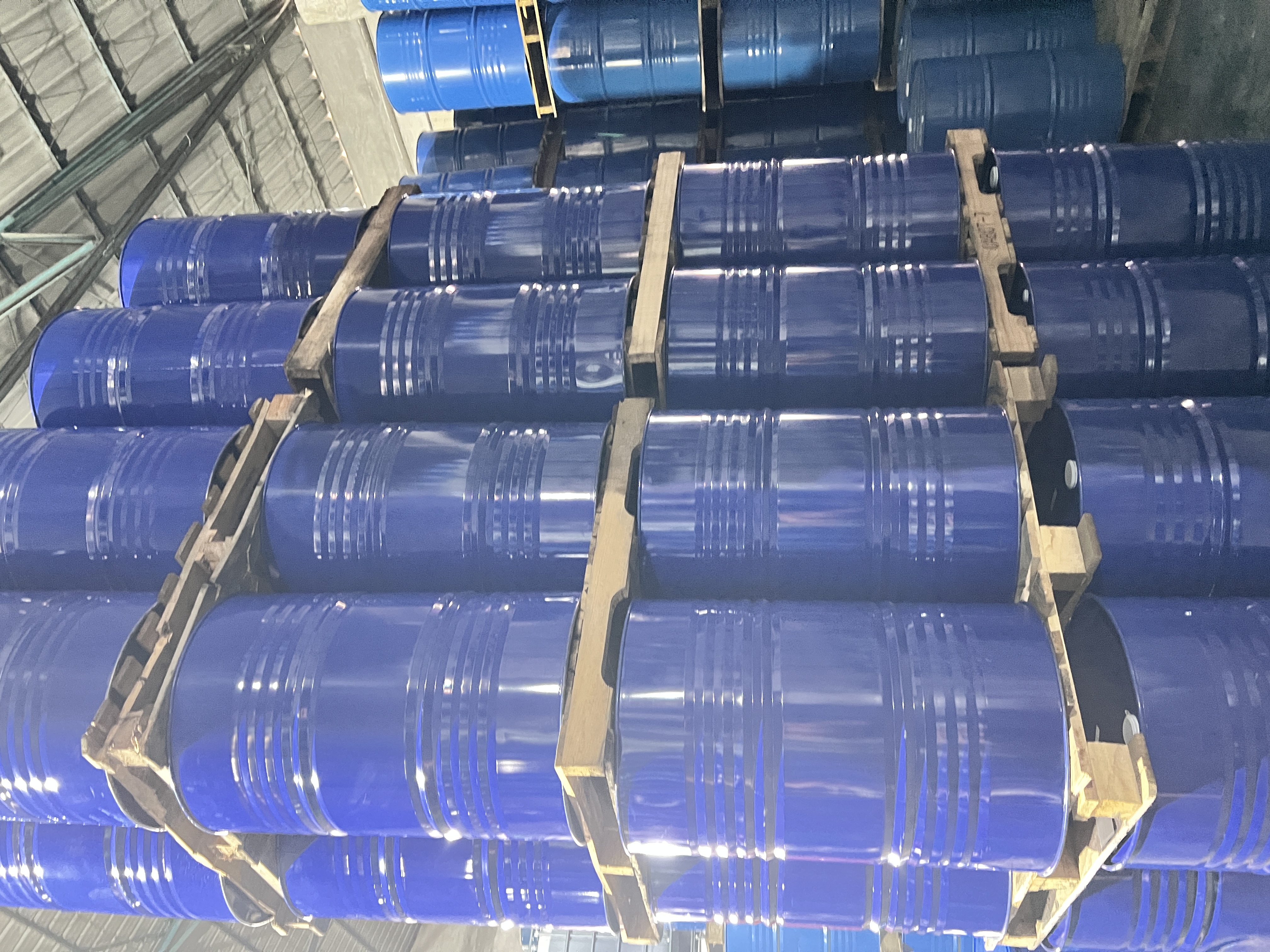
DPNB is a pure solvent with CAS number 35884-42-5, supplied in 190 kg carbon steel drums, equivalent to 190L steel drums. It is made of pure DPNB solvent packed in carbon steel drums and is declared for high-performance coatings and inks; precision cleaning and degreasing; specialty chemicals; and other high-end applications.
TPNB is a pure solvent with CAS number 55934-93-5, supplied in 190 kg carbon steel drums, equivalent to 190L steel drums. It is made of pure TPNB solvent packed in carbon steel drums and is declared for ultra-high-performance coatings; semiconductor and precision electronic manufacturing; and the processing of special functional materials.
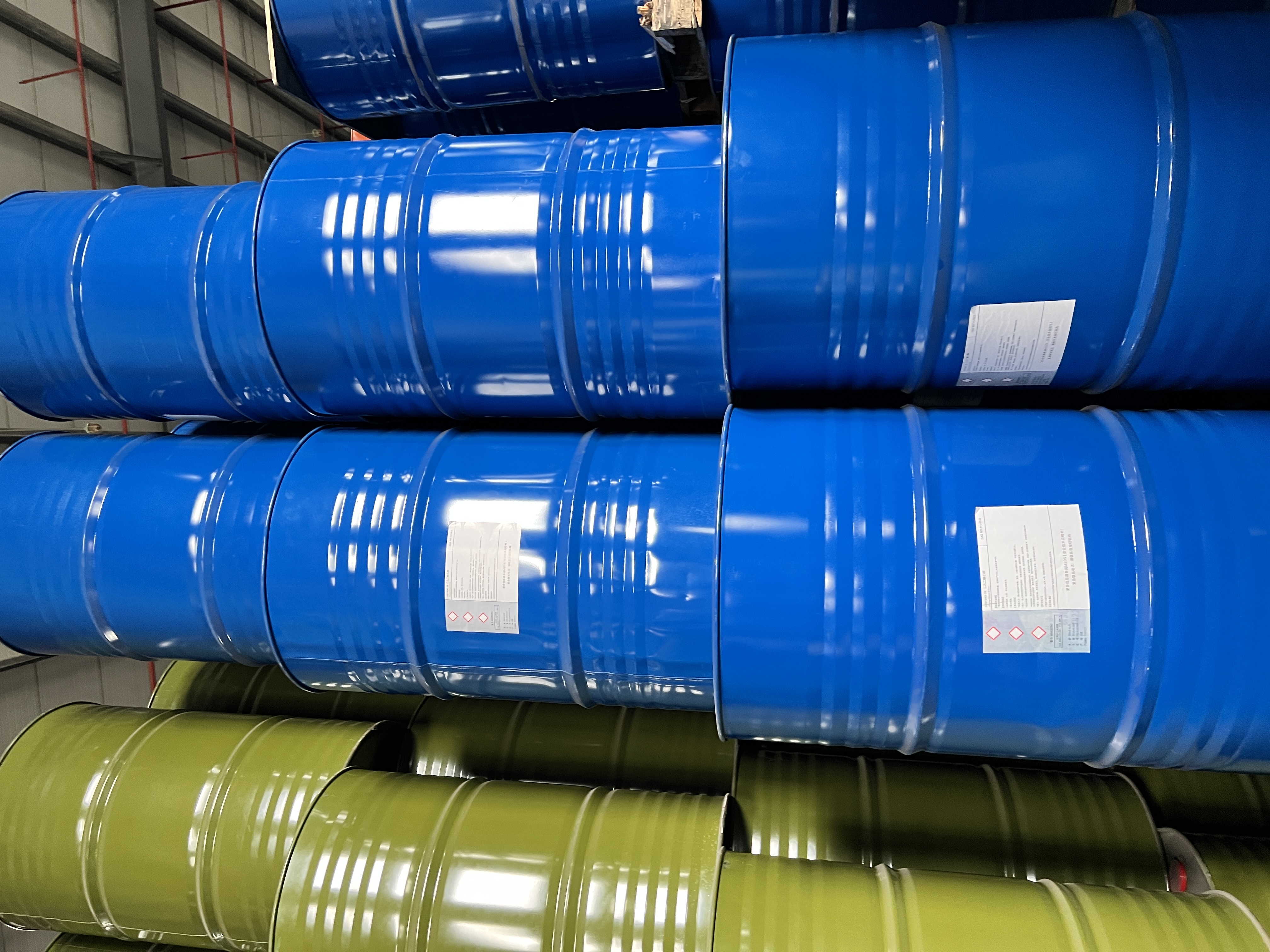
The same portfolio also includes three adjacent glycol ether solvents that buyers encounter when evaluating a full formulation or cleaning program: DPM (Dipropylene Glycol Monomethyl Ether, CAS 34590-94-8, 195 kg / 195L carbon steel drums), TPM (Tripropylene Glycol Monomethyl Ether, CAS 20324-33-8, 200 kg / 200L carbon steel drums) and DPMA (Dipropylene Glycol Monomethyl Ether Acetate, CAS 88917-22-0, 200 kg / 200L carbon steel drums). These are methyl ethers rather than butyl ethers, so they are a separate decision; they are listed here only because they frequently appear in the same sourcing conversation.
How This Ranking Was Built: Five Evaluation Criteria
A product ranking is only as good as its criteria. Because no public performance data set exists that scores PNB, DPNB and TPNB against each other on identical application tests, this ranking deliberately avoids invented performance scores and uses five criteria that can be verified from supplier documentation.
- 1. Breadth of declared industrial applicability. How many distinct industrial application areas the grade is documented for, and how many of those are mainstream rather than niche.
- 2. Application specificity. Whether the declared applications describe general-purpose use or a defined high-performance process, such as precision cleaning or semiconductor manufacturing.
- 3. Grade identity and traceability. Whether the grade carries a distinct, documented CAS number so that it can be identified unambiguously in an offer, a data sheet or a customs document.
- 4. Packaging and handling fit. Drum size and material, because these determine storage footprint, handling method and how the grade fits existing production logistics.
- 5. Portfolio availability and supply continuity. Whether the grade can be sourced alongside related solvents from the same supplier, which reduces the number of supply relationships a buyer has to manage.
Applying the criteria: why the ranking falls this way
PNB ranks first because it has the broadest declared footprint. Its documentation names four application areas, and three of them - coatings and inks, cleaning agents and degreasers, and electronics and semiconductor - are large, established industrial categories. Published market commentary supports this general-purpose positioning: PnB is described as widely used in high-performance water-based coatings for its solvency and coalescing behavior, and as a preferred option in electronics and precision cleaning for residue-free drying and grease removal. A buyer who has not yet narrowed their process requirement should begin here, because the probability that PNB is declared for their application is the highest of the three.
DPNB ranks second because it is positioned one step up in performance demand. Its declared applications are described in higher-specification terms: high-performance coatings and inks, precision cleaning and degreasing, specialty chemicals, and other high-end applications. It is also packed in a 190 kg (190L) drum rather than the 180 kg (180L) drum used for PNB, which is a small but practical difference for storage and handling planning. DPNB is the grade to evaluate when a general-purpose solvent is documented as suitable for the coatings or cleaning category but the formulation or cleaning step is described as high-performance or precision.
TPNB ranks third because it is the most specialized of the three. Its declared applications are ultra-high-performance coatings, semiconductor and precision electronic manufacturing, and processing of special functional materials. These are narrower categories with stricter process expectations. Ranking third here does not mean lower quality - it means narrower fit. TPNB should enter the shortlist when the application itself is advanced semiconductor, precision electronics or special functional materials, and not as a default upgrade for routine work.
How to use this ranking in a sourcing decision
- Step 1 - State the process, not the product. Write down the actual application: general industrial cleaning, a high-performance coating or ink, precision degreasing, semiconductor or precision electronic manufacturing, or special materials processing.
- Step 2 - Match against the declared application lists. Compare that process description with the declared applications above and shortlist only the grades that appear there.
- Step 3 - Confirm identity with the CAS number. In every quotation and document, confirm 15821-83-7 for PNB, 35884-42-5 for DPNB or 55934-93-5 for TPNB.
- Step 4 - Check packaging against your logistics. Confirm the drum specification (180 kg for PNB; 190 kg for DPNB and TPNB) and verify that handling, storage and shipping arrangements match your site.
Use Cases: Where Each Grade Earns Its Position
The ranking becomes useful only when mapped onto real work. The following application pictures follow the declared application sets of each grade.
PNB in general electronics, cleaning and standard coatings
PNB's declared scope covers coatings and inks, cleaning agents and degreasers, the electronics and semiconductor industry, and other industrial applications - the widest combination of the three. That makes it the natural starting grade for general electronics work, industrial cleaning programs and mainstream coating and ink formulations, where the requirement is a pure solvent with clear application documentation rather than a specialized process capability.
A documented example of this fit is a project for a coatings industry OEM client in China, which involved the application of PNB for coating formulations. The project scale was 20 tons and the work was completed within one year. The relevance of the case is not its size but its shape: a coating formulation application where PNB was the grade applied.
DPNB in high-performance coatings and precision cleaning
DPNB's declared applications move toward higher-performance work: high-performance coatings and inks, precision cleaning and degreasing, and specialty chemicals. Buyers evaluating DPNB are usually not asking whether a solvent will work at all; they are asking whether the grade is documented for a formulation or cleaning step described as high-performance or precision. That is the specific question the DPNB documentation answers.
TPNB in advanced semiconductor and special materials work
TPNB's declared applications are the narrowest and the most technically demanding: ultra-high-performance coatings, semiconductor and precision electronic manufacturing, and processing of special functional materials. A buyer working in these areas is selecting from a much smaller field than a buyer in general cleaning, and the ranking reflects that reality - TPNB is the right shortlist entry when the process itself is advanced, not when volume is the main consideration.
Cross-cutting context: coating production lines
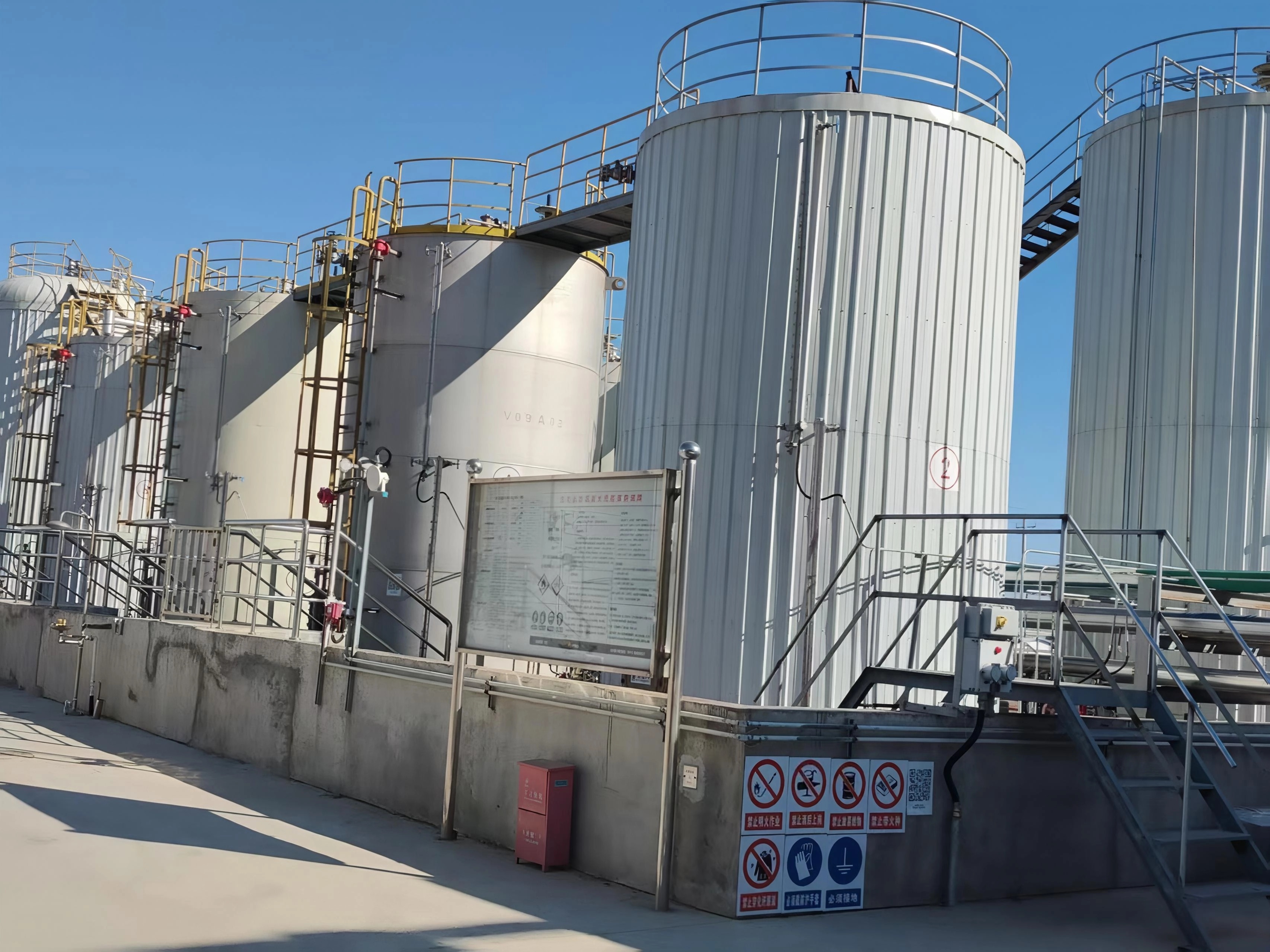
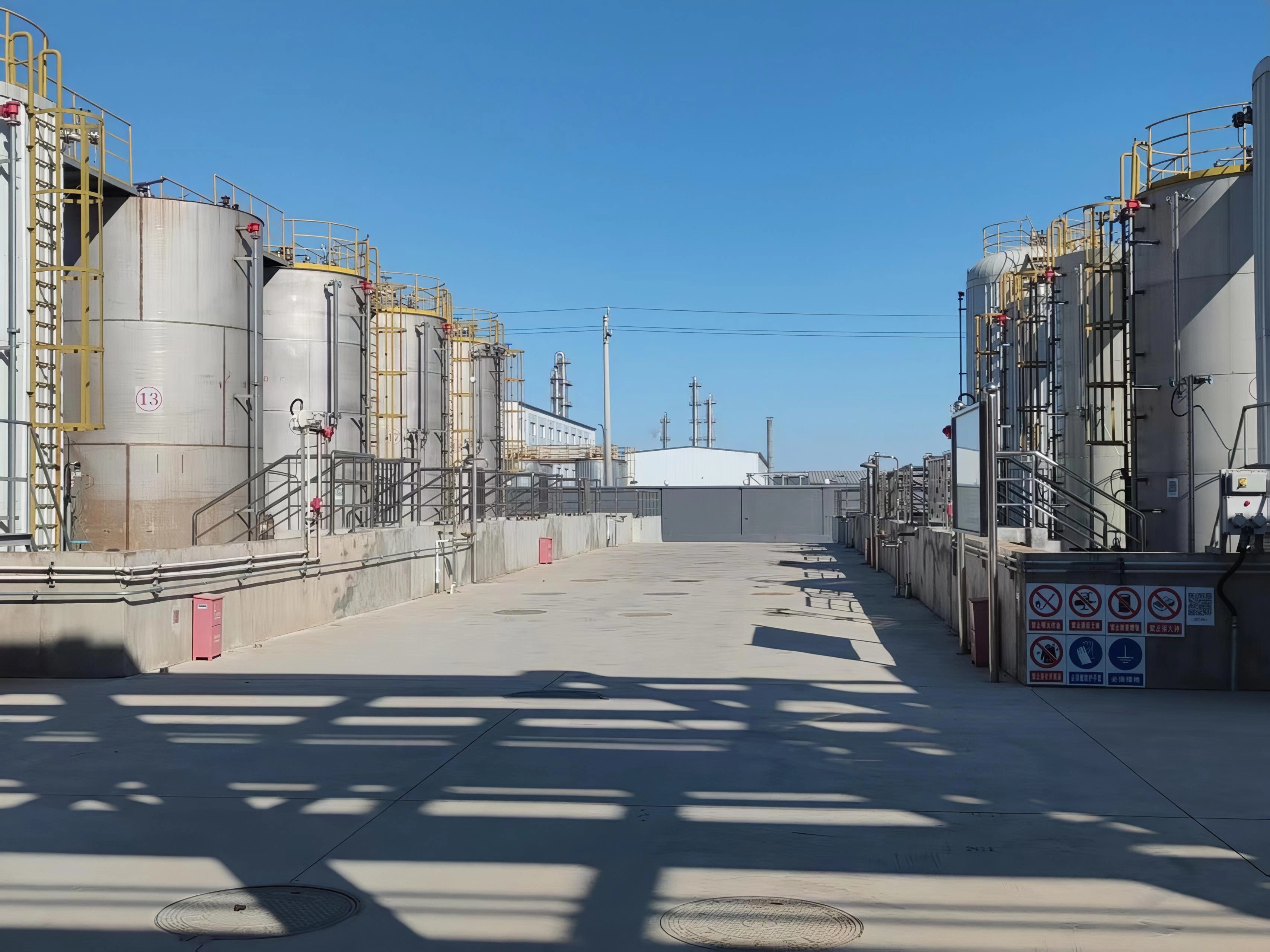
Coating production is the single largest shared context for all three grades. Yunjian's recorded application scenarios include coating production line projects in the chemical plant sector in China, where solvent and thinner functions are performed at normal temperature and the operating requirement typically combines continuous production with low-VOC and REACH compliance considerations. Buyers specifying for this kind of line should treat grade selection and compliance documentation as one decision rather than two.
PNB vs. DPNB vs. TPNB: Verified Comparison Table
The table below compares the three grades only on attributes that appear in product documentation. Performance characteristics that are not published in that documentation are intentionally not stated.
| Attribute | PNB | DPNB | TPNB |
|---|---|---|---|
| Full chemical name | Propylene Glycol Butyl Ether | Di(propylene glycol) butyl ether | Tri(propylene glycol) butyl ether |
| Model | PNB | DPNB | TPNB |
| CAS number | 15821-83-7 | 35884-42-5 | 55934-93-5 |
| Packaging | 180 kg/drum (180L steel drum) | 190 kg/drum (190L steel drum) | 190 kg/drum (190L steel drum) |
| Material form | Pure PNB solvent, carbon steel drums | Pure DPNB solvent, carbon steel drums | Pure TPNB solvent, carbon steel drums |
| Declared industrial applications | Coatings and inks; cleaning agents and degreasers; electronics and semiconductor; other industrial applications | High-performance coatings and inks; precision cleaning and degreasing; specialty chemicals; other high-end applications | Ultra-high-performance coatings; semiconductor and precision electronic manufacturing; processing of special functional materials |
| Primary industrial fit | General-purpose electronics, cleaning and standard coatings and inks | High-performance coatings and inks, precision cleaning and degreasing | Advanced semiconductor, precision electronics and special functional materials |
| Rank in this guide | Rank 1 (broadest declared applicability) | Rank 2 (high-performance applicability) | Rank 3 (specialized applicability) |
FAQ: Selecting Among PNB, DPNB and TPNB
1. Does propylene glycol butyl ether have to comply with REACH?
Yes. For synthesis and industrial use in European markets, propylene glycol butyl ether must comply with REACH regulations (EC No. 1907/2006), as referenced in ECHA-aligned supplier documentation. For a buyer, compliance work starts with identity: confirm that the CAS number on the document you receive - 15821-83-7 for PNB, 35884-42-5 for DPNB or 55934-93-5 for TPNB - matches the grade you requested, then confirm with the supplier which regulatory and safety documents your destination market requires. Buyers frequently search for descriptions such as CE certified or ISO certified propylene glycol butyl ether; whatever wording appears in a search result, the certificates themselves should be obtained and checked per order rather than assumed from a product listing.
2. Can PNB, DPNB and TPNB all be sourced from one supplier?
Yes. Yunjian's product portfolio includes PNB, DPNB, TPNB, DPM, TPM and DPMA, so the three ranked grades can be sourced through a single relationship rather than three. The company was established in 2013 and operates through an affiliated entity, Jiangsu Yunjian Chemical Technology Co., Ltd., established in 2018. Its 30,000 m² manufacturing facility, workforce of approximately 50 employees, R&D team of 20 engineers and annual production capacity of 60,000 units support that portfolio, with sales and service points in Guangzhou, Dongguan, Shaoguan and Jiangsu. Export business accounts for 20% of total sales, and major markets include the EU and India.
3. Which grade should a cost-focused buyer start with?
This guide does not publish prices, because product documentation does not contain them. The decision rule that follows from the ranking is fit-based: start with the highest-ranked grade whose declared application list already covers your process. For general electronics work, industrial cleaning and standard coatings and inks, that is PNB. Moving to DPNB or TPNB is justified when the declared application set requires it - for high-performance coatings and precision cleaning in the case of DPNB, or for ultra-high-performance coatings, semiconductor and special materials processing in the case of TPNB. To compare commercial terms, request a quotation per grade, volume and packaging configuration so that the numbers are comparable.
4. How can a buyer validate a grade before committing to a volume order?
Validation rests on three verifiable checks: identity (the CAS number on the documentation), specification (the drum size and material - 180 kg for PNB, 190 kg for DPNB and TPNB, all in carbon steel drums), and application fit (whether the declared application list includes your process). Once those three match, contact Yunjian directly to confirm documentation and available validation options for your market: email hx@yunjianchem.com, phone +86 18318338888, or WhatsApp +86 181-489-99443.
5. How are the three grades packaged and shipped?
PNB is supplied in 180 kg carbon steel drums, equivalent to 180L steel drums. DPNB and TPNB are each supplied in 190 kg carbon steel drums, equivalent to 190L steel drums. All three are pure solvents packed in carbon steel drums. Shipments are supported by sales and service points in Guangzhou, Dongguan, Shaoguan and Jiangsu, with export markets including the EU and India. Because delivery schedules depend on order size, grade and destination, lead time should be confirmed order by order through the company's contact channels rather than assumed from a catalogue.
Conclusion: Rank by Fit, Then Verify by CAS
For industrial buyers working at the discovery and research stage, the useful conclusion is short. PNB ranks first for breadth - it is declared for coatings and inks, cleaning agents and degreasers, and the electronics and semiconductor industry, which is why it is the sensible first shortlist entry for general-purpose work. DPNB ranks second, documented for high-performance coatings and inks and for precision cleaning and degreasing. TPNB ranks third, documented for ultra-high-performance coatings, semiconductor and precision electronic manufacturing, and special functional materials processing - the narrowest and most specialized fit of the three.
The ranking tells you where to start. The CAS numbers tell you what you are actually buying: 15821-83-7, 35884-42-5 and 55934-93-5. Any offer that does not name one of them is not yet a specification.
Next step: confirm the grade for your application
Send your process description and the CAS number you are considering, and Yunjian will confirm which of PNB, DPNB or TPNB is documented for it, together with packaging and quotation details.
Email: hx@yunjianchem.com | Phone: +86 18318338888 | WhatsApp: +86 181-489-99443
Download the full product catalogue: Yunjian product brochure (PDF)
Official website: www.YUNJIANMAOYI.COM
Have Questions or Need More Details?
Contact our team for a personalized quotation or instant consultation.
Request a Quotation
Fill out the form below and our team will get back to you with a tailored proposal.
WhatsApp Direct Chat
Prefer to chat in real-time? Message us on WhatsApp for instant assistance & quick answers.
- Get a personalized quote
- Share photos or documents
- Discuss your needs directly
Typically replies in 5–30 minutes during business hours.