PNB vs. DPNB vs. TPNB: Comparing Propylene Glycol Butyl Ether Solvents
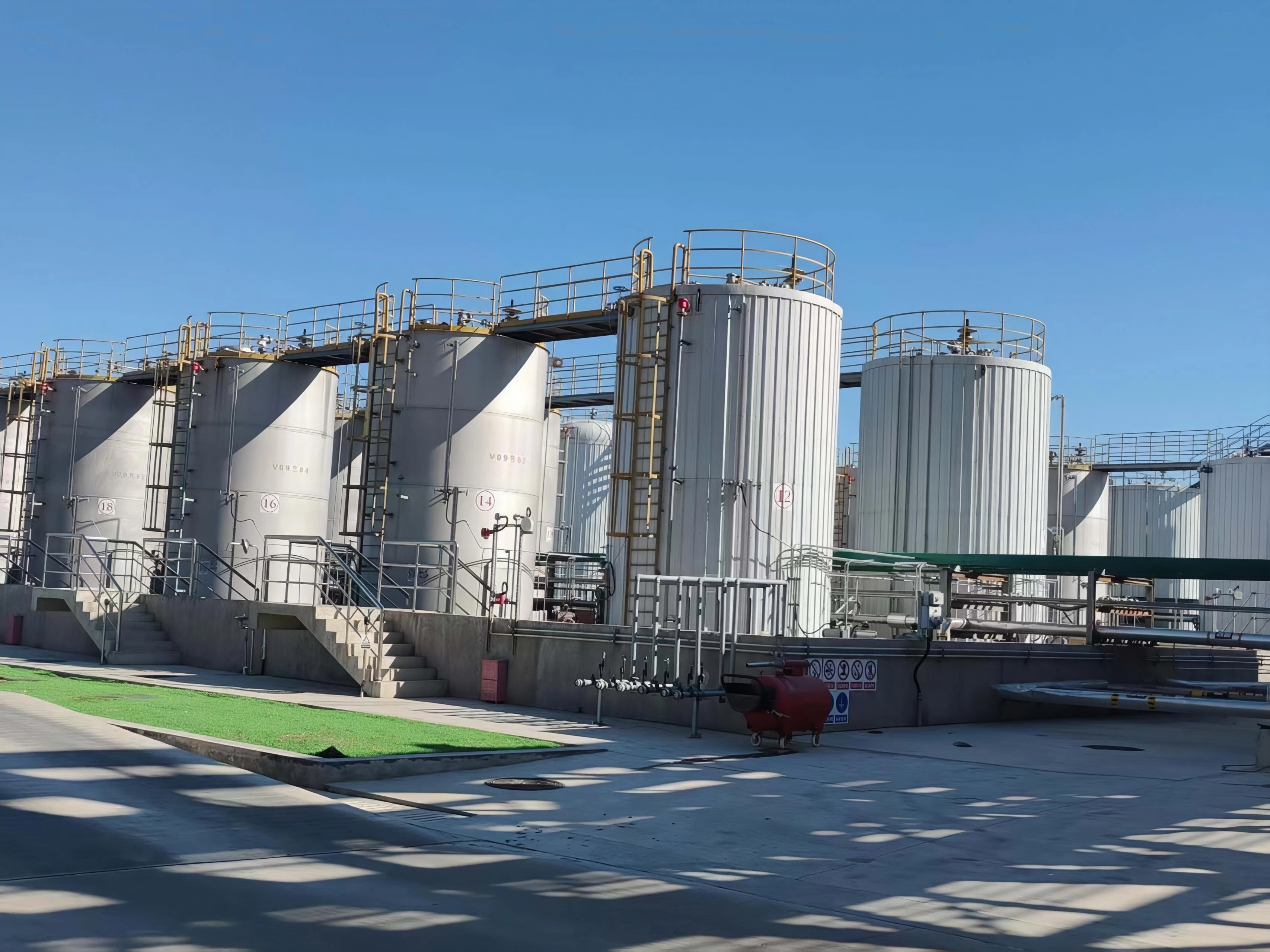
The Short Answer: One Family, Three Chain Lengths
PNB, DPNB and TPNB are three grades of the same propylene glycol butyl ether family, and the difference between them is the length of the propylene oxide chain in the molecule: one unit for PNB, two for DPNB and three for TPNB. Each grade also carries its own identity number — CAS 15821-83-7 for PNB, CAS 35884-42-5 for DPNB and CAS 55934-93-5 for TPNB — which means they are legally, commercially and technically distinct substances rather than naming variants of one chemical.
That structural difference drives everything a buyer cares about. Longer chains generally mean a slower evaporation profile, a higher boiling range and a different balance between solvency and retention in a formulation. In practice, PNB is the grade most often specified for printing inks, fast-drying water-based coatings and industrial cleaning; DPNB is specified for high-performance coatings and precision cleaning and degreasing; and TPNB is used where a slower-evaporating, higher-boiling solvent is needed in specialty materials and demanding coatings systems. The rest of this guide separates the three grades by identity, property direction, end-use industry, packaging and the execution steps that should be completed before a purchase order is issued.
Problem Definition: Why 'Propylene Glycol Butyl Ether' Is Three Products, Not One
Most sourcing errors in this solvent family start with the wording on the quotation. Buyers, distributors and even internal requisitions routinely shorten PNB, DPNB and TPNB to 'propylene glycol butyl ether' or simply 'PNB'. The three grades are not interchangeable in a coating, an ink or a cleaning bath, and treating them as one item creates three recurring problems.
- Substitution risk. A supplier quoting 'propylene glycol butyl ether' without naming the grade may deliver a slower- or faster-evaporating member of the family. In a water-based coating the coalescing behaviour changes; in a precision cleaning line the drying and residue profile changes.
- Specification drift. If the requisition says 'PNB' but the technical file lists the DPNB CAS number, incoming inspection can reject a shipment that was actually correct for the process — or accept one that is not.
- Verification cost. Without a grade name and CAS number, buyers must re-test every delivery, which removes the biggest benefit of a repeat supply relationship: predictable quality.
The fix is procedural rather than technical. Every enquiry, quotation, purchase order, drum label, certificate of analysis and pre-shipment test record should carry three identifiers together: the grade abbreviation (PNB, DPNB or TPNB), the full chemical name, and the CAS number. When those three identifiers match across documents, grade confusion stops being a sourcing risk and becomes a simple document check.
Industry Background: Demand, Regulation and Supply
Propylene glycol ethers are a mature but still growing solvent family. Fact.MR valued the global propylene glycol ether market at approximately USD 2.03 billion in 2024 and projected it to reach USD 2.75 billion by 2034. Within that family, Orion Market Reports expects the propylene glycol n-butyl ether (PnB) segment specifically to grow at an average annual CAGR of 2% across the 2024–2031 forecast period, while Fact.MR puts the broader ether market at 3.1%. Buyers comparing published growth figures should note that the two numbers are not contradictory: they measure different scopes, and the narrower PnB estimate is the more conservative planning assumption.
Demand growth is concentrated in the two application blocks that already dominate day-to-day consumption. Future Market Insights links PnB demand to high-performance water-based coatings, where the solvent acts as a coalescing agent and helps formulators meet low-VOC targets. A separate industry buyer guide notes that PnB is preferred in electronics and precision cleaning because it delivers residue-free drying and high solvency for greases. Those two drivers — low-VOC coating systems and electronics-grade cleanliness — explain why buyers now ask for grade-specific, high purity and refined material rather than a generic 'glycol ether'.
Regulation shapes the supply map as well. Propylene glycol butyl ether must comply with REACH regulations (EC No. 1907/2006) for synthesis and industrial use in European markets. That obligation sits with the substance placed on the EU market regardless of which grade is shipped, so any supplier serving European coating, ink or cleaning customers needs a documentation path that covers PNB, DPNB and TPNB separately.
On the supply side, key global manufacturers of propylene glycol ethers include Dow Inc., LyondellBasell, BASF SE, Eastman Chemical and Jiangsu Baichuan High-tech. That mix of multinational and Chinese producers is why buyers frequently compare an imported grade against an equivalent domestic grade — a comparison that only makes sense once the grade itself has been fixed.
Detailed Solution: How PNB, DPNB and TPNB Differ in Practice
Yunjian (Guangzhou) Import & Export Trade Co., Ltd. is a Guangzhou-based chemical supply company established in 2013, operating alongside an affiliated production company, Jiangsu Yunjian Chemical Technology Co., Ltd., established in 2018. Its product range covers PNB, DPNB, TPNB, DPM, TPM and DPMA, supported by a 30,000 m² facility, a 20-person R&D team and sales service points in Guangzhou, Dongguan, Shaoguan and Jiangsu. That multi-grade range is the practical starting point for this comparison: the three grades discussed below are supplied from the same product family, which is what makes a single-supplier, multi-grade purchasing strategy realistic.
PNB — Fast Evaporation, Inks and Cleaning
PNB (CAS 15821-83-7) is the lightest of the three grades, built on a single propylene oxide unit. Its faster evaporation profile makes it the natural choice where the solvent needs to leave the system quickly: printing inks, fast-drying water-based coatings used as a coalescing agent, and industrial cleaning formulations that must dry without leaving a film. Because the same base chemistry serves both printing and cleaning, suppliers commonly differentiate the two uses commercially — an ink grade propylene glycol butyl ether and a cleaning agent grade propylene glycol butyl ether may share the same CAS number but differ in the purity and stability specifications the buyer requests. When a process is sensitive to residue, specify high purity and refined grades and confirm them through the pre-shipment test rather than relying on the marketing name alone.
DPNB — The Balanced Grade for Coatings and Precision Cleaning
DPNB — listed as DI(PROPYLENE GLYCOL) BUTYL ETHER, CAS 35884-42-5 — carries two propylene oxide units and is supplied as a pure DPNB solvent packed in carbon steel drums. It sits between PNB and TPNB in evaporation behaviour, which is why it is specified for high-performance coatings and inks, precision cleaning and degreasing, specialty chemicals and other high-end applications. Across these uses, the grade is bought for consistent quality rather than for a single headline property.
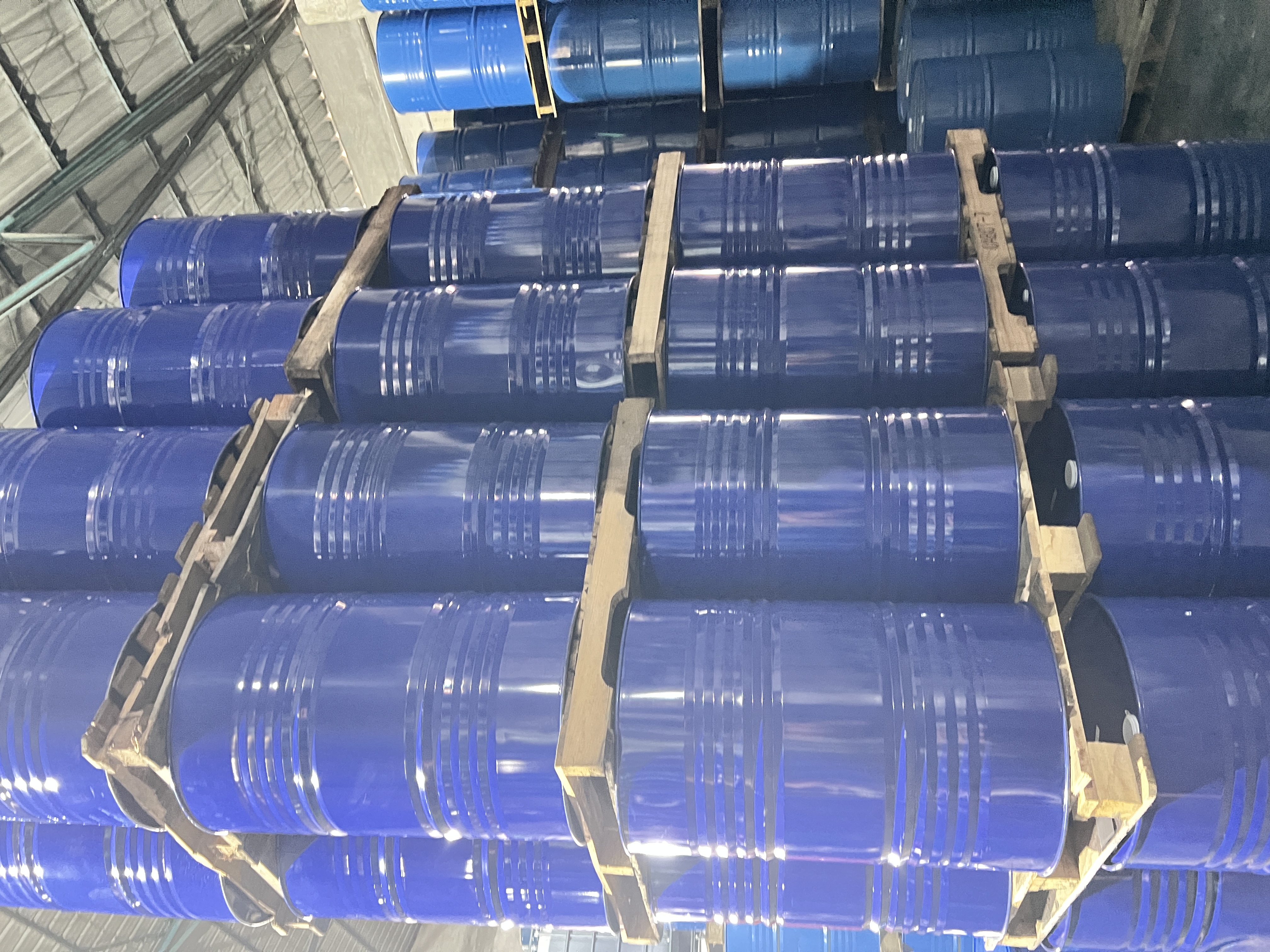
In supplier comparison data, DPNB is positioned with a stated purity of 99% and customizable formulas, with a shorter delivery cycle than imported equivalents and a reported cost advantage of around 10% against comparable imported product from Dow. Reported dissolution efficiency is higher, which supports coating film formation and leveling. Buyers should treat these as supplier-provided positioning figures and verify them against their own trial results before switching grades or sources — which is exactly what the sample step later in this guide is for.
TPNB — Slow Evaporation for Specialty Systems
TPNB (CAS 55934-93-5) is the heaviest of the three, with three propylene oxide units. As a rule, the longer the chain, the slower the solvent leaves the film, which is why this grade is associated with specialty materials and with coating or formulation systems where the solvent must remain available for longer during film formation and curing. For buyers, TPNB is rarely an alternative to PNB or DPNB; it is a different tool. The selection question is not 'which is better' but 'how long does the solvent need to stay in the system' — and that question is answered by the process, not by the price list.
Step-by-Step Breakdown: From Grade Selection to Repeat Order
Choosing a grade is a short decision. Executing the order so that it repeats cleanly is where most of the value sits, especially for buyers who intend to buy more than once.
Step 1 — Define the retention requirement. Write down what the solvent has to do and for how long. Fast dry and low residue point toward PNB; balanced film formation in a high-performance coating or a precision cleaning line points toward DPNB; longer retention in a specialty or slow-curing system points toward TPNB.
Step 2 — Fix the three identifiers. Put the grade abbreviation, the full chemical name and the CAS number on the enquiry, the purchase order and the label specification. This single step removes most grade-confusion disputes before they occur.
Step 3 — Check the compliance path early. For EU-destined material, confirm how REACH (EC No. 1907/2006) compliance is documented for the specific grade being ordered. If a quotation cites CE or ISO certification, ask for the certificate scope rather than accepting the logo on a data sheet — a certificate for one product does not automatically cover another grade.
Step 4 — Validate with a small quantity. Run the grade in the actual formulation or cleaning bath before committing to drum volumes. Yunjian supports this with a minimum order quantity of 1 bucket, which allows a realistic trial without a full-drum commitment.
Step 5 — Agree packaging, delivery and payment terms. Drum packaging across this family is typically specified in the 180 kg and 190 kg range; Yunjian's DPNB is packed as pure solvent in 190 kg (190 L) carbon steel drums. Delivery is offered on FOB or CIF terms, acceptance is based on a pre-shipment test, and payment terms are 30/70.
Step 6 — Plan volume against capacity and lead time. The monthly production capacity is 10,000 units, with a typical production lead time of 30–45 days. For buyers running continuous coating, ink or cleaning lines, that lead time should sit inside the replenishment cycle, not on top of it.
Step 7 — Lock the long-term arrangement. Once the grade, the test result and the delivery rhythm are proven, convert them into a repeatable supply agreement with agreed specifications, agreed packaging and an agreed inspection method. This is where the cost of grade confusion disappears permanently — and where safety and handling practice should also be confirmed, since these solvents carry fire, flammability and chemical leakage risks that require explosion-proof storage facilities, flameproof electrical equipment and fire prevention systems on site.
Use Cases: Where Each Grade Earns Its Place
High-performance and water-based coatings. Water-based coating systems use PNB-type glycol ethers as coalescing agents to help meet low-VOC targets, while DPNB is specified in high-performance coatings where film formation and leveling matter. The grade choice follows the drying window of the line and the solids system of the formulation.
Printing inks. Ink formulators select the grade that matches press speed and substrate. Faster press speeds and thin films favour faster-evaporating grades; systems that need the solvent to remain mobile longer favour the heavier grades. Buyers ordering an ink grade propylene glycol butyl ether should confirm the grade name, the CAS number and the purity specification together.
Industrial and precision cleaning. In cleaning and degreasing, the required outcome is a clean surface with residue-free drying. PNB is preferred in electronics and precision cleaning for exactly these reasons, while DPNB extends the same logic to precision cleaning and degreasing duties where a balanced evaporation profile improves control.
Specialty materials and high-end applications. Specialty chemicals and other high-end applications form the third application block, where TPNB and heavier grades are used for their slower evaporation and where buyers typically value supply consistency over unit price alone.
Comparison Table: PNB vs. DPNB vs. TPNB
| Attribute | PNB | DPNB | TPNB |
|---|---|---|---|
| CAS number | 15821-83-7 | 35884-42-5 | 55934-93-5 |
| Chemical identity | Propylene glycol butyl ether, single propylene oxide unit | DI(PROPYLENE GLYCOL) BUTYL ETHER, two propylene oxide units | Propylene glycol butyl ether, three propylene oxide units |
| Relative evaporation | Fastest of the three | Intermediate | Slowest of the three |
| Typical role | Coalescing agent in water-based coatings; ink solvent; cleaning solvent | Solvent for high-performance coatings and inks; precision cleaning and degreasing | Slow-evaporating solvent for specialty materials and demanding coating systems |
| Typical industries | Printing inks, water-based coatings, industrial cleaning | High-performance coatings and inks, precision cleaning and degreasing, specialty chemicals, high-end applications | Specialty materials and high-end applications |
| Packaging | Steel drums, typically in the 180–190 kg range | Pure solvent in 190 kg (190 L) carbon steel drums | Steel drums, typically in the 180–190 kg range |
| Compliance check | REACH (EC No. 1907/2006) applies for EU synthesis and industrial use | REACH (EC No. 1907/2006) applies for EU synthesis and industrial use | REACH (EC No. 1907/2006) applies for EU synthesis and industrial use |
| Supply planning reference | Monthly production capacity 10,000 units; typical production lead time 30–45 days; MOQ 1 bucket; delivery FOB/CIF; acceptance by pre-shipment test; payment 30/70 | ||
Decision rule. Match the grade to the retention time the process needs. If the formulation must dry fast and leave no residue, start with PNB. If the process needs balanced evaporation with strong solvency for coatings or precision cleaning, start with DPNB. If the system needs the solvent to remain present longer, evaluate TPNB. Confirm the choice with a small trial quantity before committing to drum volumes.
FAQ: PNB, DPNB and TPNB Procurement Questions
1. Do PNB, DPNB and TPNB need to comply with REACH?
Yes. Propylene glycol butyl ether must comply with REACH regulations (EC No. 1907/2006) for synthesis and industrial use in European markets. The obligation applies to the substance placed on the EU market, which means each grade — PNB, DPNB and TPNB — needs its own compliance documentation rather than a single document covering 'glycol ether'. Buyers sourcing for European customers should confirm the grade name and CAS number on the documentation before shipment.
2. Can one supplier handle all three grades with consistent quality?
A single supplier can cover all three grades if the product range and quality system support it. Yunjian (Guangzhou) Import & Export Trade Co., Ltd., established in 2013, lists PNB, DPNB and TPNB alongside DPM, TPM and DPMA in its main product range, and operates from a 30,000 m² facility with a 20-person R&D team, a monthly production capacity of 10,000 units and a typical production lead time of 30–45 days. Consistency is what buyers are actually testing when they repeat an order: the same grade, the same specification and the same packaging across deliveries.
3. How should buyers compare cost across the three grades?
Compare cost on delivered, tested material rather than on a headline drum price. The main cost drivers are the grade itself, drum size and packaging (for example 190 kg carbon steel drums), delivery terms (FOB or CIF), payment terms (30/70) and order volume against the monthly capacity of 10,000 units. Where a Chinese grade is offered against an imported equivalent, suppliers may position a cost advantage — Yunjian's comparison data for DPNB reports a figure around 10% below comparable imported product from Dow, with 99% stated purity and customizable formulas. Treat such figures as a starting point for your own landed-cost calculation, not as a substitute for it.
4. Can I validate a grade before ordering full drums?
Yes, and it is the recommended path for any grade change. Yunjian's minimum order quantity is 1 bucket, which allows the material to be run in the actual coating, ink or cleaning process before drum volumes are committed. Acceptance is based on a pre-shipment test, so the specification being tested is the specification being shipped. Running a trial first is the cheapest way to confirm whether the grade's retention and residue behaviour fits the line.
5. What lead time and capacity should be planned into a repeat order?
The typical production lead time is 30–45 days, with a monthly production capacity of 10,000 units. For continuous coating, ink or cleaning operations, that lead time should be planned inside the replenishment cycle. Multi-grade buyers ordering PNB, DPNB and TPNB from one source can schedule a single delivery rhythm instead of three separate supplier calendars. To start, request a sample or a quotation for the grade and drum size you need — contact hx@yunjianchem.com or WhatsApp +86 181-489-99443, or download the full product brochure below.
Conclusion
PNB, DPNB and TPNB are three distinct propylene glycol butyl ether solvents, separated by chain length and identified by three different CAS numbers. The choice between them follows the process: PNB for fast evaporation in inks, water-based coatings and industrial cleaning; DPNB for high-performance coatings and precision cleaning and degreasing; TPNB for specialty materials and systems that need longer solvent retention. Fixing the grade, the chemical name and the CAS number on every document is what turns that technical choice into a repeatable, low-risk purchase — and buying the grades from one qualified source keeps specifications, packaging, lead time and quality on a single planning cycle.

Next step. Tell us the grade, drum size and delivery terms you need, and we will confirm availability, lead time and pricing. Samples start from 1 bucket, and acceptance is based on a pre-shipment test.
Email: hx@yunjianchem.com · Tel: +86 18318338888 · WhatsApp: +86 181-489-99443
Address: No. 10, Jinrong Avenue, Ningxi Street, Zengcheng District, Guangzhou City
Website: www.YUNJIANMAOYI.COM · Blog: blog.yunjianchem.com
Product brochure (PDF): Download the Yunjian chemical product catalog
Have Questions or Need More Details?
Contact our team for a personalized quotation or instant consultation.
Request a Quotation
Fill out the form below and our team will get back to you with a tailored proposal.
WhatsApp Direct Chat
Prefer to chat in real-time? Message us on WhatsApp for instant assistance & quick answers.
- Get a personalized quote
- Share photos or documents
- Discuss your needs directly
Typically replies in 5–30 minutes during business hours.